 ULTIMA FITNESS

You’ve seen it on social media, heard the whispers in the gym, and maybe even seen a friend’s dramatic transformation. Ozempic, a medication originally for diabetes, is widely talked about for weight loss. Because of all the hype it’s easy to miss the crucial details that determine whether this tool helps or harms your long-term health.
As a certified nutritionist and personal trainer, I see the downstream effects of these trends. What’s missing from the conversation is the bigger picture: what happens to your body, your strength, and your metabolism during and after the medication. This isn’t just about a prescription; it’s about building a sustainable, healthy life. Before you consider this path, let’s talk about what your personal trainer wishes you knew.
The science behind the GLP-1 shot: how Ozempic tricks your brain into eating less
To understand Ozempic, you first need to understand the powerful hormone it mimics: glucagon-like peptide-1 (GLP-1). Naturally produced in our gut after we eat, GLP-1 is a key regulator of our metabolic system. It signals the pancreas to release insulin, which helps manage blood sugar, and it communicates with the brain to create a feeling of fullness.
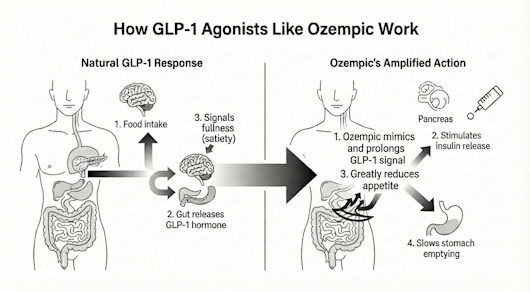
Ozempic, a brand name for the drug semaglutide, belongs to a class of medications called GLP-1 receptor agonists. Its active ingredients essentially copy the actions of your natural GLP-1 hormones, but with a much longer-lasting effect. Here’s how it works:
- In the Pancreas: It stimulates insulin secretion when blood glucose levels are high, making it highly effective for managing type 2 diabetes
- In the Brain: It targets appetite centers in the hypothalamus, significantly reducing hunger and cravings. This is the primary mechanism driving weight loss.
- In the Stomach: It slows down gastric emptying, meaning food stays in your stomach longer. This contributes to feeling full sooner and for a longer period, naturally leading to reduced calorie intake.
While the FDA has officially approved Ozempic for the treatment of type 2 diabetes, its impact on body weight has led health care providers to frequently prescribe it “off label” for chronic weight management.
Does Ozempic work for weight loss?
The short answer is yes; a clinical trial has shown that Ozempic can be effective for weight loss. Some users experience a reduction in their body weight, often in the range of 15% or more, according to studies like the SUSTAIN trial program.
For individuals with a high Body Mass Index (BMI) who have struggled for years, this can feel like a miracle. It can lead to improvements in cardiometabolic risk factors, including lower blood pressure and better cholesterol levels. For some, it may even be considered a less invasive alternative to bariatric surgery.
However, the real question is not just if it works, but how it works and what the long-term trade-offs are. This is where a personal trainer’s perspective becomes critical. The number on the scale doesn’t tell the whole story.
The hidden cost of rapid weight loss (your muscles are paying the price)
The primary concern is the quality of the weight being lost. Research and anecdotal evidence strongly suggest that rapid weight loss from these drugs can lead to significant muscle loss in addition to fat loss. As a trainer, this is a major red flag.
Muscle is metabolically active tissue; it burns calories at rest, supports your skeletal structure, and is a key indicator of longevity and functional strength. Losing it can slow your metabolism, making it much harder to maintain weight loss after you stop the medication. This is often behind the “Ozempic face” phenomenon, a gaunt look caused by losing both fat and muscle volume from the face.
Muscle atrophy leads to a cascade of health problems. Our body loses 1-2% muscle mass every year, and 3-5% of our strength. As you lose muscle mass, your metabolism slows down, making weight gain more likely, particularly fat gain rather than muscle. This metabolic decline, combined with potential nutritional deficiencies, can weaken your immune system. Essentially, the body’s response to muscle loss creates additional complications that compound the original problem.
When people follow a proper diet and exercise program, they typically lose only 5-10% muscle mass and 90-95% body fat, which represents a healthy approach to weight loss.
Also, Ozempic is not without adverse effects. The most common are gastrointestinal side effects, including persistent nausea, vomiting, diarrhea, and constipation. While often manageable, these can be severe for some individuals.
More serious adverse events can include pancreatitis, gallbladder problems, and in rare cases, worsening of pre-existing kidney disease or liver disease. The FDA also includes a “boxed warning” (its most serious kind) for a potential risk of thyroid C-cell tumors. It’s absolutely essential to have a conversation about these risks with your doctor.
The reality is that Ozempic doesn’t teach you how to build a healthy lifestyle. It suppresses your appetite, but it doesn’t educate you on nutrition, exercise, or the behavioral habits needed for long-term success.
Ozempic helps with weight loss by making you feel full. But certain foods can do the same thing without the side-effects
The moment the medication is stopped, the hormonal signals revert, and the appetite returns, often with a vengeance. Studies have shown that many people regain a majority of their lost weight within a year of discontinuing the drug. Sustainable nutrition requires a holistic approach.
The bottom line: Ozempic is a tool, not a miracle
Ozempic and other GLP-1 drugs represent a significant medical advancement in treating both type 2 diabetes and obesity. They can be a powerful catalyst for change, helping individuals break through plateaus and achieve a healthier body weight, which in turn can improve metrics like blood pressure and cholesterol levels.
However, your personal trainer wishes you knew that GLP-1 drugs are shortcuts to your health with major side effects, some that are life threating. They’re not a standalone solution or a replacement for the hard work of building a healthy lifestyle.
A qualified fitness professional can help you design a health and fitness program focused on two critical goals:
- Preserving and Building Muscle: A targeted strength training program is non-negotiable to counteract muscle loss, protect your metabolism, and ensure you are losing primarily fat.
- Developing Sustainable Habits: A trainer can provide coaching, accountability, and nutritional guidance needed to build healthy eating patterns and an active lifestyle that will serve you long after the prescription ends.
Thinking of Ozempic as a “magic pill” is a disservice to your long-term health. Instead, view it as a potential tool that can open a window of opportunity — an opportunity to build the strength, habits, and knowledge required to maintain a healthy body for life. Open communication with your doctor and your personal trainer is the first and most important step on that journey.
Ready to take a different approach to your health? Schedule your complimentary 60-minute consultation and see what private, one-on-one training can do for you.